Quick picks:
- Best overall: Gaggia Classic E24 Check current price on Amazon — the enthusiast’s choice, built like a tank
- Best for beginners: Breville Bambino Check current price on Amazon — fast heat-up, forgiving, compact
- Best budget: De’Longhi Stilosa Check current price on Amazon — real espresso under $150
Spending $500 on an espresso machine is the sweet spot. Below it, you’re mostly looking at pressurized baskets and compromises. At $500, you cross into machines with real 58mm portafilters, proper pressure, and the kind of build quality that lasts a decade — the point where home espresso stops being a toy and starts being a ritual.
I focused on machines I’d actually recommend to a friend, not a spec-sheet roundup. Here’s what made the cut.
What to look for under $500
Short answer: under $500, prioritize a 58mm portafilter, a heat system that fits your routine, and, above all, the grinder. An okay machine with a great grinder beats a great machine with a bad one every time, so budget $150–200 for grinding if you don’t already own an espresso-capable grinder.
- Portafilter size: 58mm is the commercial standard. Smaller pressurized baskets are more forgiving but cap your ceiling.
- Heat-up time: Thermoblock machines (Breville) heat in seconds; single boilers (Gaggia) take 5–15 minutes but offer more control.
- The grinder question: This matters more than the machine. An okay machine with a great grinder beats a great machine with a bad grinder every time. Budget $150–200 for a grinder if you don’t have one — it’s not optional at this level.
The picks
Short answer: the Gaggia Classic E24 is the best overall pick for hobbyists, the Breville Bambino is the easiest start for beginners, and the De’Longhi Stilosa is the budget test. All three make real espresso under $500; they differ mainly in heat-up speed, forgiveness, and how far they let your skills grow.
Best overall: Gaggia Classic E24 Check current price on Amazon
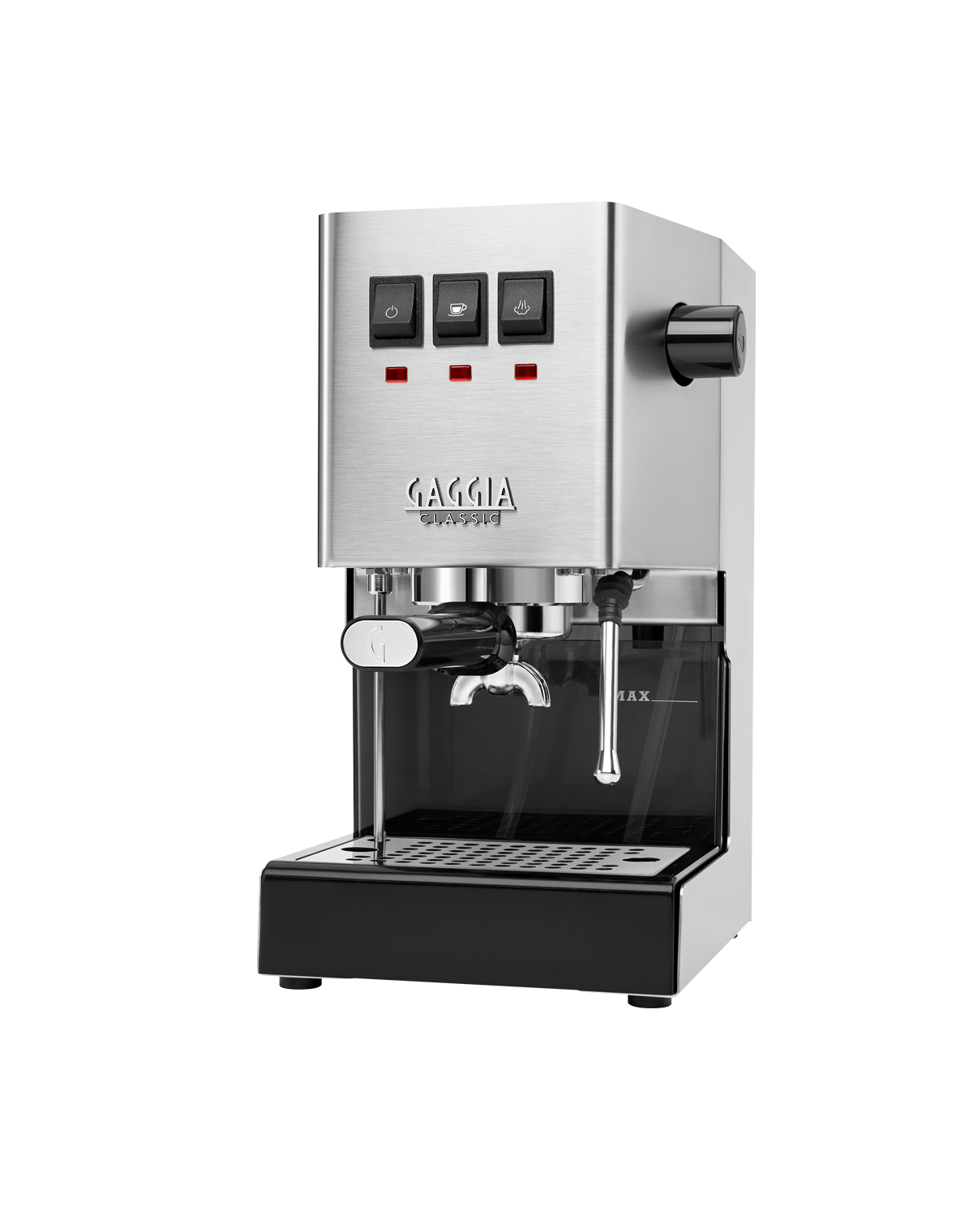
$499.00
The Gaggia Classic has been the default answer in home-espresso forums for 30 years, and the E24 is the current version. 58mm commercial portafilter, 3-way solenoid valve (dry pucks, no mess), and a modding community that borders on obsessive — PID kits, pressure gauges, you name it.
Pros: Commercial-standard parts; huge aftermarket mod support; built to be repaired, not replaced.
Cons: Slow heat-up (~10–15 min); stock temperature surfing takes practice; no built-in grinder.
Best for: The hobbyist who wants to learn real espresso and tinker.
Best for beginners: Breville Bambino Check current price on Amazon
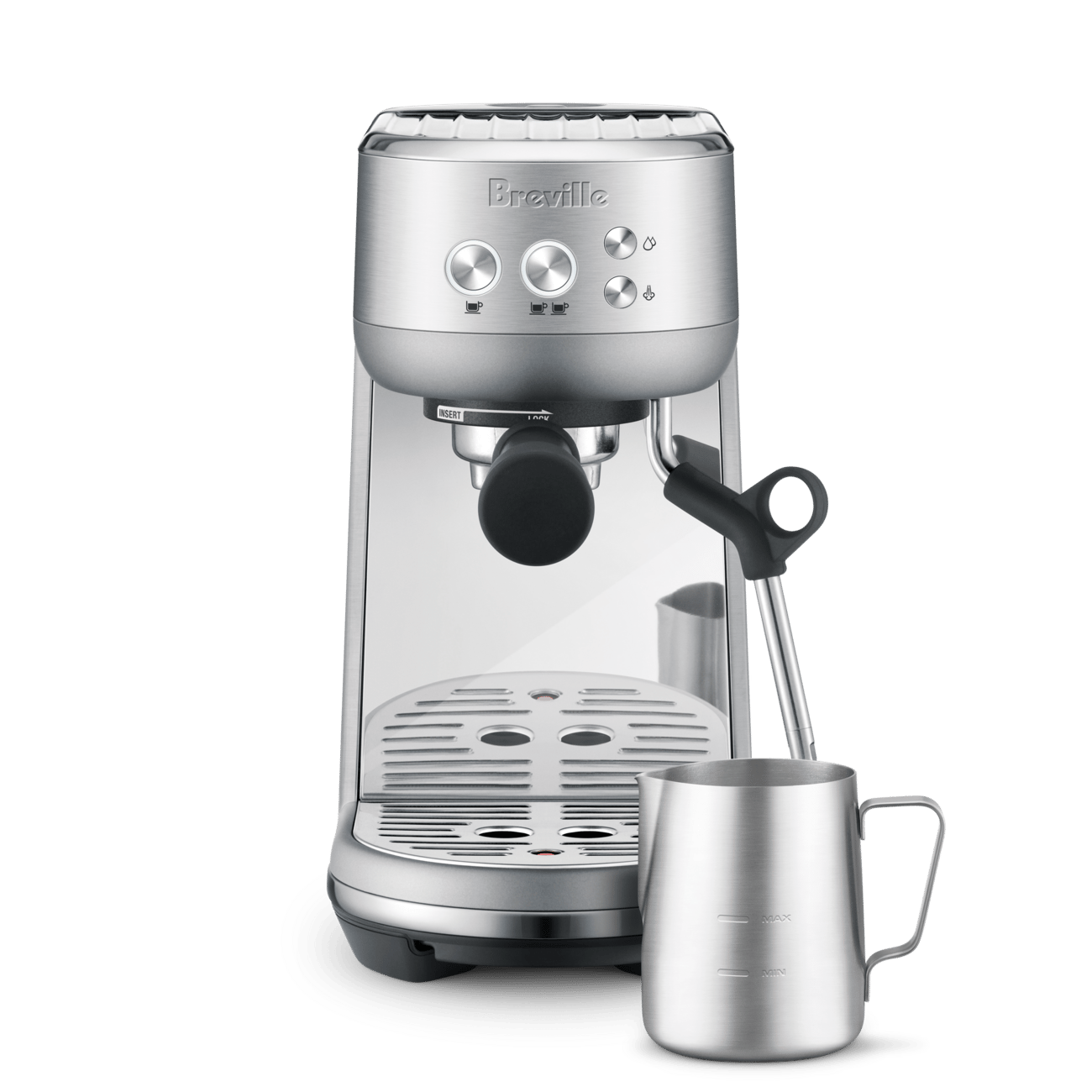
$249.95 (on sale from $299.95)
The Bambino heats up in about 3 seconds thanks to its thermojet system, pulls a genuinely good shot with fresh beans, and steams milk well enough for latte art practice. It’s also tiny — fits kitchens where a Gaggia won’t.
Pros: Near-instant heat-up; manual steam wand that’s easy to learn; compact footprint; very forgiving.
Cons: 54mm portafilter (not the 58mm standard); less modding potential; Breville isn’t really repairable long-term.
Best for: Someone who wants great coffee fast without joining an espresso forum.
Best budget: De’Longhi Stilosa Check current price on Amazon
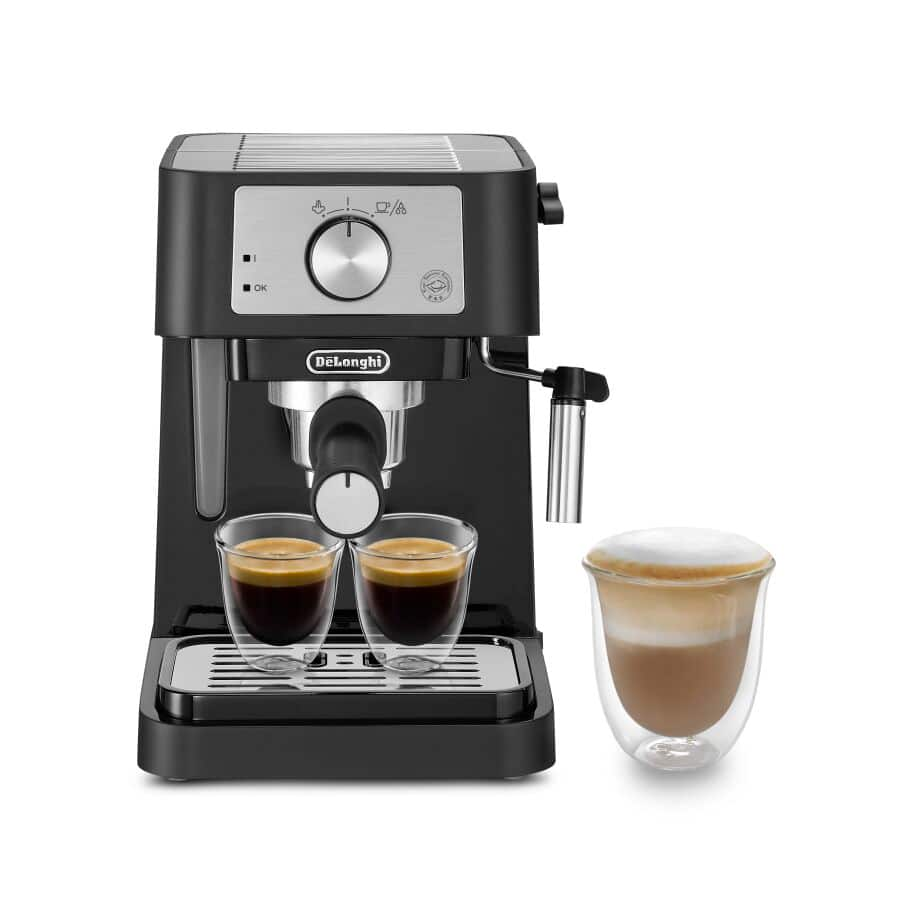
$99.95
The honest budget pick. It’s a pressurized-basket machine, which means it won’t teach you real espresso technique — but it makes a perfectly good morning latte for the price of two weeks of café visits. If you’re not sure the hobby will stick, start here.
Pros: Extremely affordable; dead simple to use; fine for milk drinks.
Cons: Pressurized basket caps quality; not a machine you grow with; you’ll outgrow it if you catch the bug.
Best for: Testing whether home espresso is for you before spending real money.
Don’t skip the grinder
Short answer: the grinder is half the equation, and skipping it ruins the machine. A $500 machine with pre-ground coffee tastes worse than a $150 machine with freshly ground beans. If your $500 budget includes a grinder, buy the Bambino at $249.95 and put the rest toward a Baratza Encore ESP at $199.95.
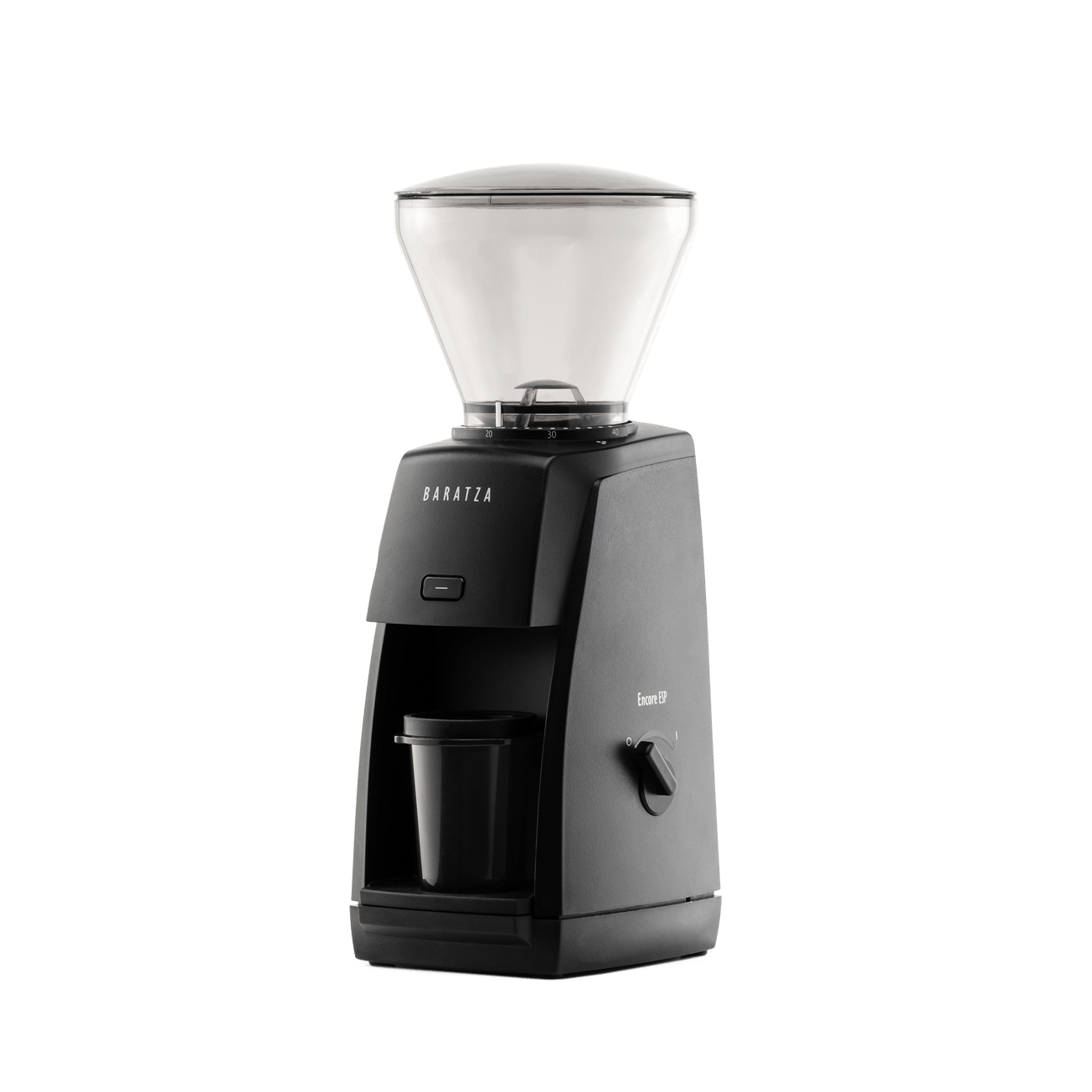
I’ll say it plainly: a $500 machine with pre-ground coffee tastes worse than a $150 machine with freshly ground beans. If your total budget is $500 including a grinder, get the Bambino ($249.95) and put the rest toward a Baratza Encore ESP ($199.95) Check current price on Amazon or similar espresso-capable grinder. The grinder is half the equation.
FAQ
Is it worth buying a $500 espresso machine instead of a $150 one?
If you’ll use it daily, yes — the difference in the cup is real, and a $500 machine lasts years longer. If it’s a weekend curiosity, start with the Stilosa.
Do I need a separate grinder for an espresso machine under $500?
Yes, unless the machine has one built in (none of these do). Pre-ground coffee goes stale in minutes once opened. Budget for it.
How long do espresso machines under $500 last?
The Gaggia is famously repairable — 10+ years with basic maintenance (descaling, gasket swaps). Breville and De’Longhi are more “use it for 3–5 years” machines.
Can espresso machines under $500 make lattes and cappuccinos?
All three steam milk. The Bambino’s manual wand is the easiest to learn on and heats up fastest; the Gaggia’s manual wand rewards practice with the best texture.
Verdict
Buy the Gaggia Classic E24 if you want the real hobby. Buy the Breville Bambino if you want great coffee with zero fuss. Buy the De’Longhi Stilosa if you’re testing the waters. And whatever you choose — budget for the grinder.