Quick picks:
- Easiest lattes: Breville Bambino Check current price on Amazon — manual steam wand that’s easy to learn, great milk texture with a little practice
- Best all-in-one: Breville Barista Express Check current price on Amazon — grinds, brews, and steams in one box
- Best milk texture (with practice): Gaggia Classic Evo Pro Check current price on Amazon — manual wand rewards skill with the silkiest milk
- Best upgrade pick: De’Longhi La Specialista Arte Evo Check current price on Amazon — built-in grinder, barista kit, and cold brew in one box
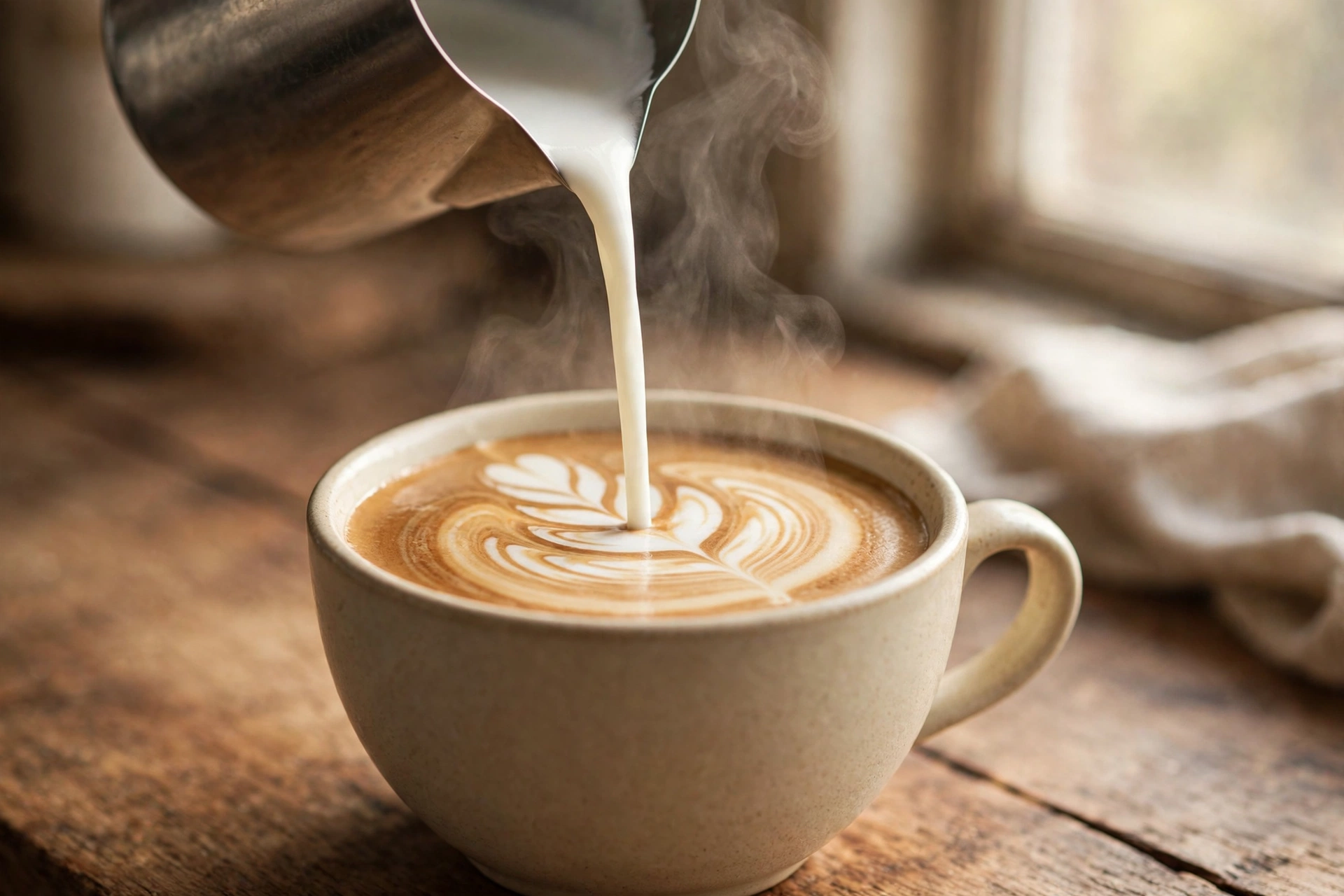
Here’s the thing most “best espresso machine” guides won’t tell you: if lattes are your drink, the espresso is the less important half. Milk covers a multitude of sins — a mediocre shot under six ounces of well-steamed milk still tastes great. What separates a good latte machine from a bad one isn’t the espresso engine. It’s the steam wand.
What latte drinkers should actually look for
Short answer: for lattes, buy for the steam wand, not the espresso engine. Manual wands give the best texture with practice, automatic wands give good texture with zero skill, and steam power plus recovery matter if you make back-to-back drinks. Check cup clearance too, before your favorite mug disappoints you.
- The steam wand matters most. Manual wands give the best texture but need practice. Automatic/panarello wands give good texture with zero skill. Decide which you are.
- Steam power and recovery. Single boilers (Gaggia) need a minute between brewing and steaming, and recovery between drinks. Thermoblock/thermojet machines (Breville) switch faster — matters if you make two lattes every morning.
- Don’t overspend on espresso precision. Temperature stability and 58mm commercial groups matter for straight shots. For milk drinks, that money is better spent on steaming capability and a decent grinder.
- Cup clearance. Sounds trivial until your favorite mug doesn’t fit — check the specs before buying.
The picks
Short answer: the Breville Bambino makes the easiest lattes, the Barista Express is the best all-in-one, the Gaggia Classic Evo Pro gives the best milk texture with practice, and the De’Longhi La Specialista Arte Evo is the upgrade pick. All four steam manually, so the real choice is learning curve, speed, and guidance.
Easiest lattes: Breville Bambino Check current price on Amazon
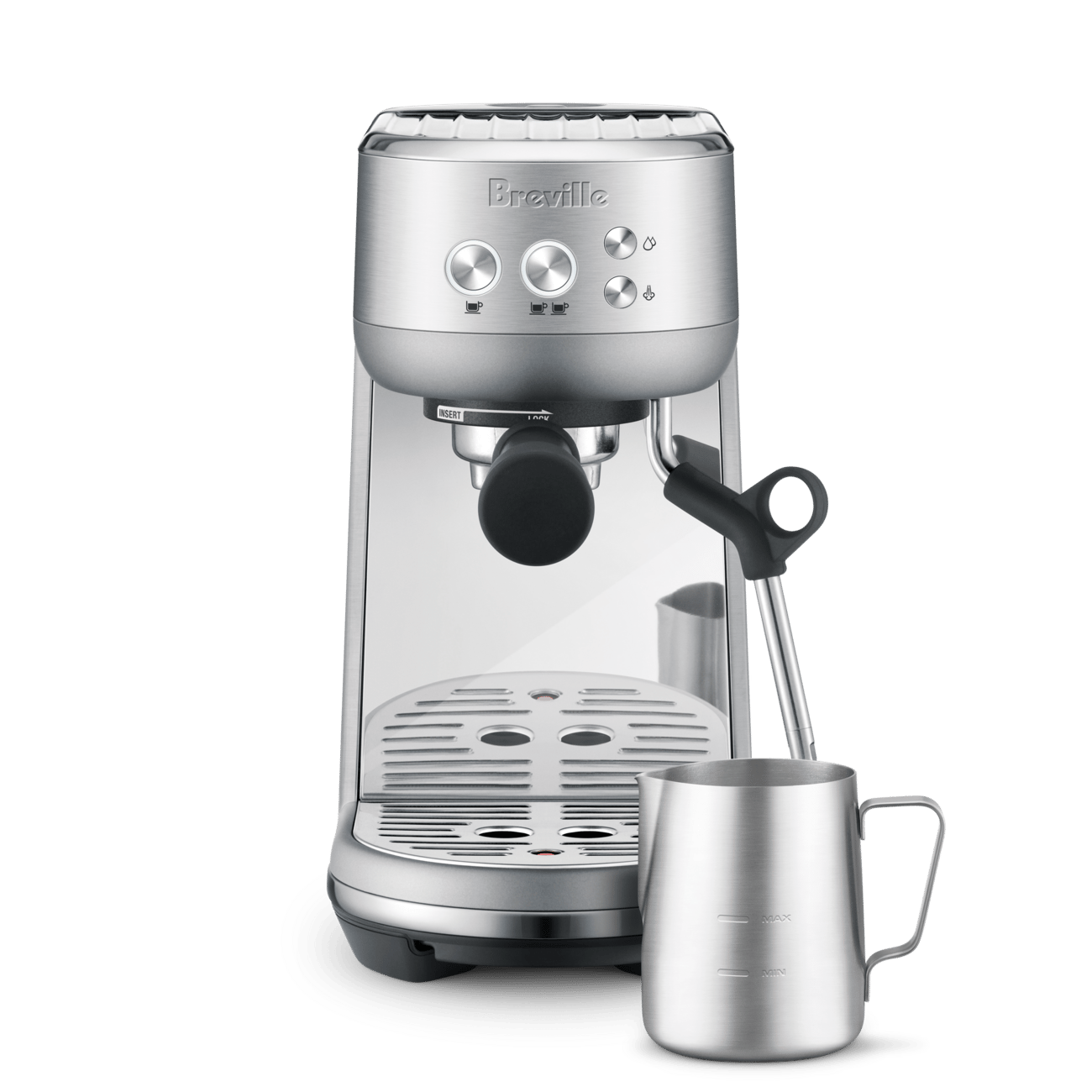
$249.95 (on sale from $299.95)
The Bambino’s manual steam wand is the standout for latte drinkers on a budget — it textures milk to near-latte-art quality with a little practice. Combined with the 3-second heat-up, this is the machine for the person who wants a great latte in four minutes flat, every morning, no ritual required.
Pros: Forgiving steam wand, easy to learn; near-instant heat-up; compact; very forgiving.
Cons: 54mm portafilter; less steam power than a Gaggia; not a long-term repairable machine.
Best for: Daily latte drinkers who want results, not a hobby.
Best all-in-one: Breville Barista Express Check current price on Amazon
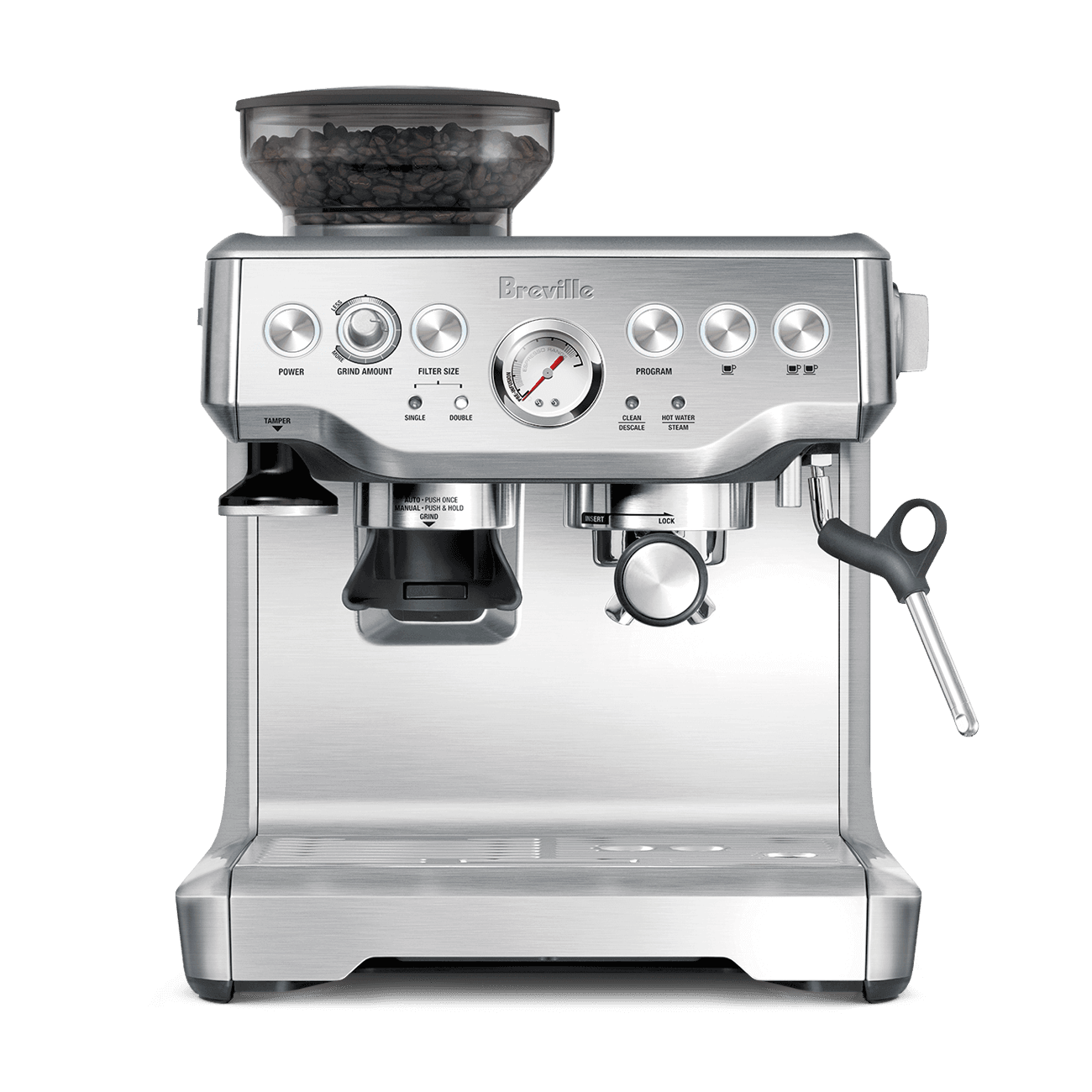
$499.95
Everything the Bambino does, plus a built-in conical burr grinder — so your latte setup is genuinely one purchase. The steam wand here is manual (like the Bambino’s, with more steam power behind it), which means a short learning curve, but it produces excellent microfoam once you’ve practiced a week or two. Fast heat-up and quick brew-to-steam switching make back-to-back morning lattes painless.
Pros: Grinder included; strong steam performance; fast switching between brewing and steaming.
Cons: Manual wand takes practice; built-in grinder can’t be upgraded; 54mm portafilter.
Best for: The latte drinker who wants the complete setup in one box and doesn’t mind a week of practice.
Best milk texture (with practice): Gaggia Classic Evo Pro Check current price on Amazon
$450.83
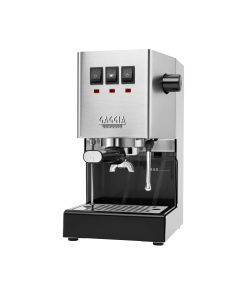
(The Evo Pro is the current model in Gaggia’s Classic line — it replaced the older Classic Pro with an updated boiler and quieter pump.)
The Gaggia’s commercial-style manual steam wand produces the best milk texture of anything on this list — once you learn it. That’s the tradeoff: two to four weeks of mediocre foam while you learn positioning and aeration, and then milk better than most cafés. The single boiler means waiting between brewing and steaming (~a minute) and slower recovery if you’re making several drinks in a row.
Pros: Best-in-class milk texture with practice; 58mm commercial parts; built to last decades.
Cons: Manual wand has a real learning curve; slow brew-to-steam switching; no grinder included (add ~$150–200).
Best for: The latte perfectionist willing to practice for the best possible milk.
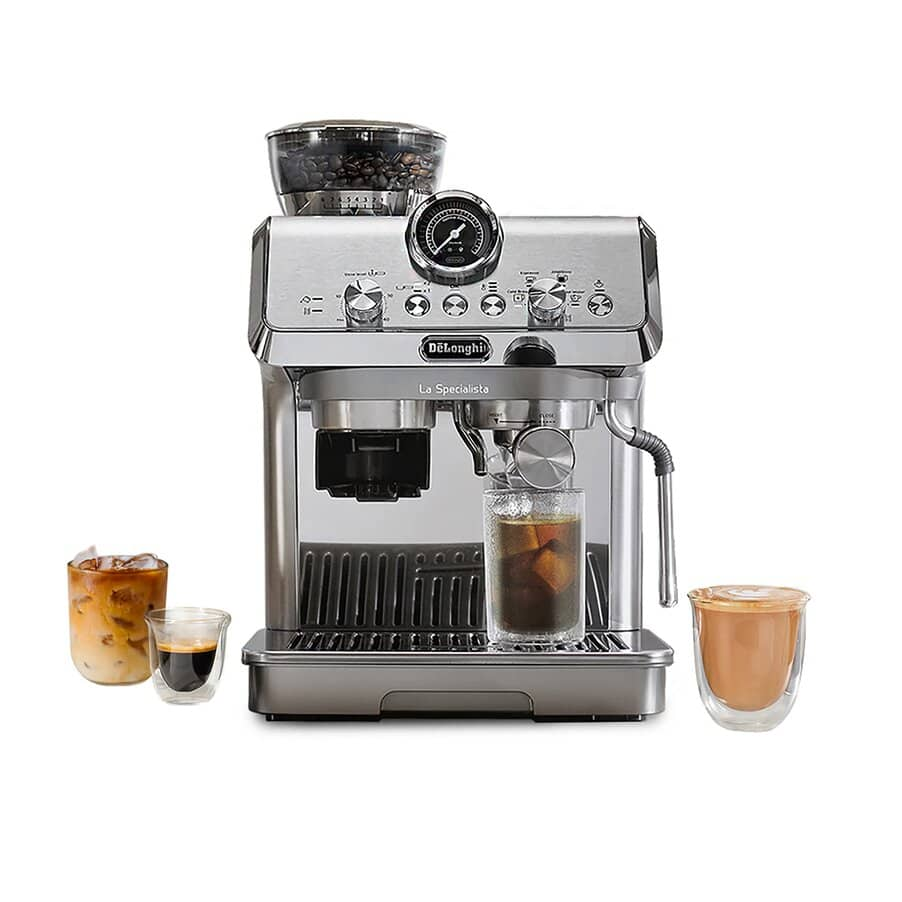
Best upgrade pick: De’Longhi La Specialista Arte Evo Check current price on Amazon
$499.95
(The Arte Evo is the current La Specialista model — it replaced the older versions with an updated design, a barista kit, and a cold-brew function.)
The La Specialista Arte Evo sits in an interesting spot: built-in conical burr grinder like the Barista Express, plus a barista kit (tamper, dosing funnel, tamping mat) that makes puck prep nearly foolproof, and De’Longhi’s cold-brew function for iced drinks in under five minutes. The steam wand is manual but commercial-style — a step up in power from basic panarello wands, with enough pressure to learn real latte art. It’s the pick for someone who wants the guided, everything-included experience and is willing to pay for it.
Pros: Built-in grinder; barista kit included; cold brew function; powerful manual steam wand.
Cons: Premium price; manual wand still takes practice; De’Longhi’s long-term repairability is middling.
Best for: The buyer who wants the most guided all-in-one experience — grinder, tools, and recipes in a single box.
The milk-drinker’s grinder note
Short answer: milk forgives a lot, but not stale coffee, so fresh-ground beans are still non-negotiable. The Barista Express and La Specialista Arte Evo include grinders; Bambino and Gaggia owners should budget $150–200 for an espresso-capable grinder like the $199.95 Baratza Encore ESP. Precision matters less here, because milk hides small imperfections.
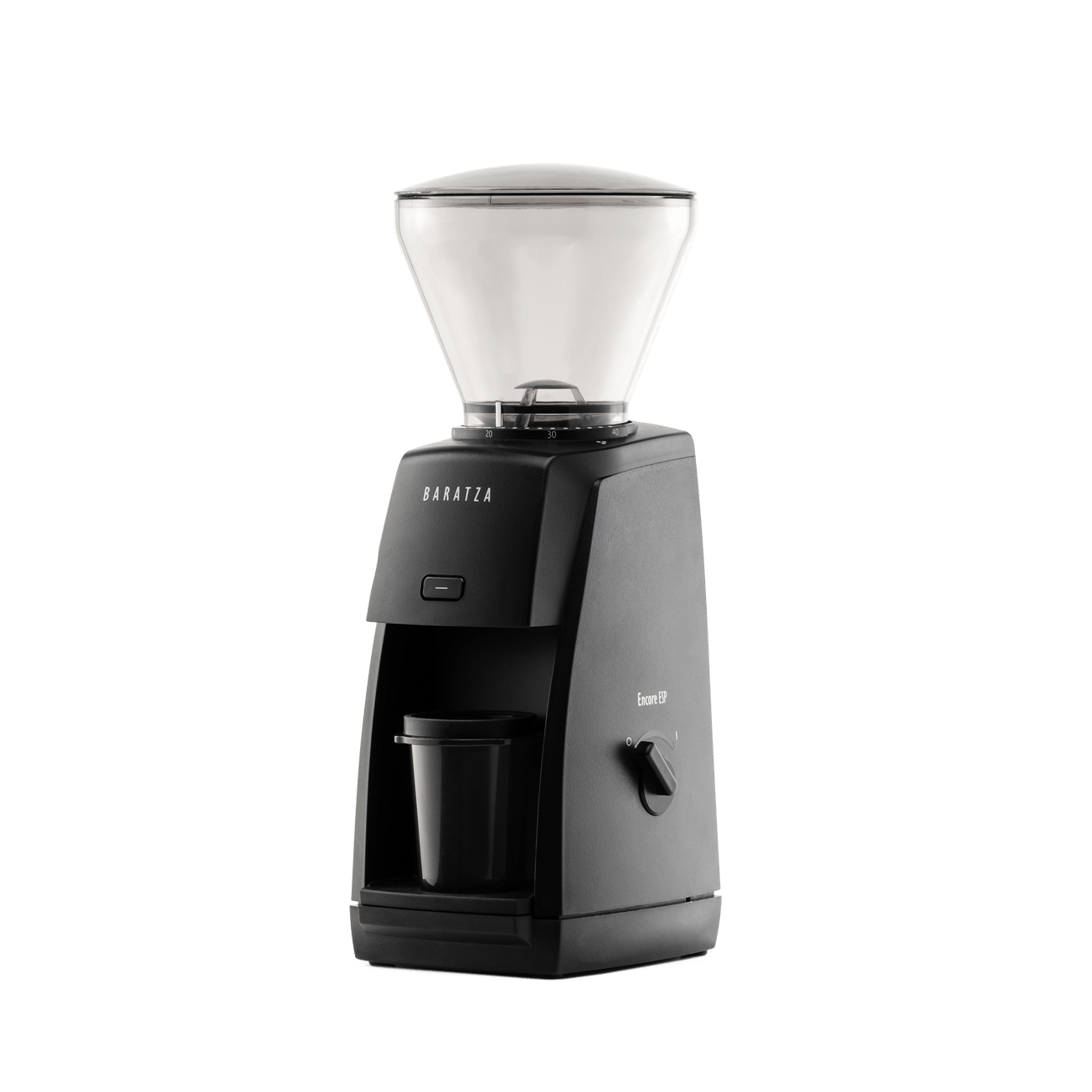
Milk is forgiving, but it’s not that forgiving — stale pre-ground coffee still makes a flat, bitter latte. You need fresh-ground beans. The Barista Express and La Specialista Arte Evo solve this with built-in grinders. For the Bambino or Gaggia, budget ~$150–200 for an espresso-capable grinder (the Baratza Encore ESP is $199.95 Check current price on Amazon). Good news for latte drinkers: your grinder doesn’t need to be as precise as a straight-espresso drinker’s — milk hides small imperfections.
FAQ
Do you need an expensive espresso machine to make good lattes?
No — this is the category where money matters least. A $249.95 Bambino makes a better latte than a $700 machine with a weak steam wand. Spend on steaming, not on espresso precision you can’t taste through milk.
Should I get a manual or automatic steam wand for lattes?
Automatic (like the Bambino Plus) if you want great lattes with zero technique. Manual if you want the best lattes eventually and enjoy learning — the base Bambino’s manual wand only takes a few days to get the hang of. There’s no wrong answer, only a patience question.
Can you make a real latte with a moka pot or Nespresso?
You can make a milky coffee drink, but not a latte — real lattes need real espresso (pressure-extracted) and textured milk. Moka pot coffee with frothed milk is tasty; it just isn’t the same drink.
How important is a grinder for milk drinks like lattes?
Less critical than for straight espresso, but still necessary. Fresh-ground beans are non-negotiable; grinder precision matters less because milk masks small flaws.
Verdict
Get the Bambino for the easiest great lattes. Get the Barista Express for the complete one-box setup. Get the Gaggia Classic Evo Pro if you’ll practice your way to the best milk texture. Get the La Specialista Arte Evo if you want the most guided all-in-one experience.
The through-line: buy for the steam wand, not the espresso engine. Comparing the two big names? Our Barista Express vs Gaggia Classic Evo Pro breakdown goes deeper — and if you’re just starting out, best espresso machines for beginners covers the learning curve honestly.